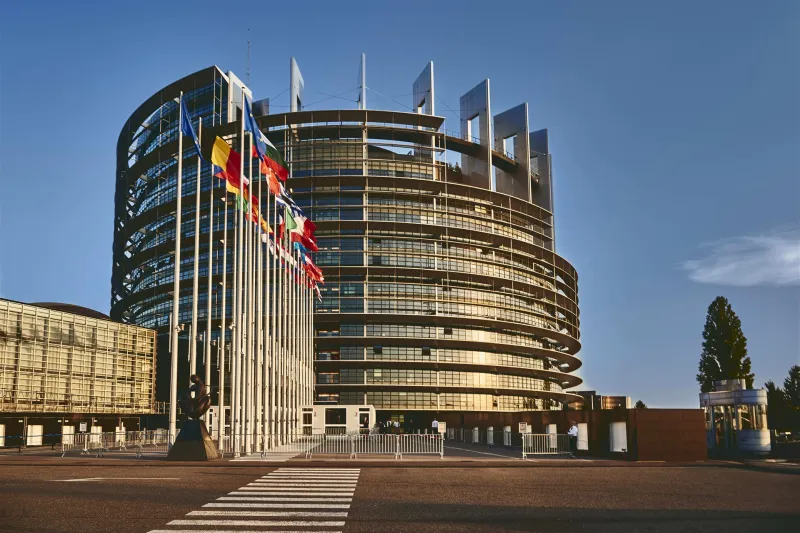
The March 2027 round of the European Parliament’s Schuman traineeships closed on 31 October 2026. The Parliament’s published schedule shows the next chance: applications from 1 to 31 May for a five-month placement starting on 1 October. Here is who can apply, what the grant is and how the process works.

Applications for bachelor’s and master’s programmes starting in autumn 2027 are handled centrally through University Admissions in Sweden. The first admissions round opened on 16 October 2026 and closes on 15 January 2027. This guide covers the key dates, fees, entry requirements and residence permit basics.

Erasmus+ lets students at bachelor’s, master’s and doctoral level spend 2 to 12 months studying or training in another country, and recent graduates can go on a traineeship too. There is no central application: your own university selects participants and sets the deadline, so the first step is always its Erasmus+ office.

The France Excellence Eiffel programme funds international master’s and doctoral students at French universities, but students cannot apply on their own: a French institution must nominate them. Campus France accepts nominations for the 2027 call until 6 January 2027, and many universities close their internal selection weeks earlier.

International candidates for degree programmes in Poland must show that their school certificate or diploma opens the door to higher education. Since 1 July 2025 that check has been handled by NAWA, not by regional education authorities. Here is who needs a recognition statement, when an apostille or legalisation is required and which documents to prepare before admissions open.

Two cities hold the European Capital of Culture title in 2027: Évora in Portugal and Liepāja in Latvia. Liepāja’s opening weekend runs from 22 to 24 January 2027 and Évora’s official opening is scheduled for 6 February 2027. Here is what official sources confirm, what is aimed at young people and what is still to be announced.
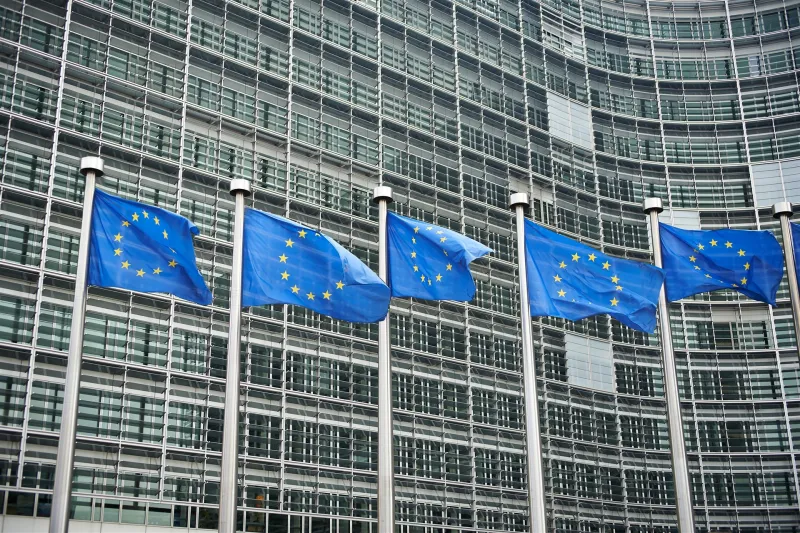
The European Commission’s Blue Book traineeship lets graduates spend five months working in its departments. Registration for the March 2027 session is closed, but applications for the October 2027 session open on 15 February 2027 and close on 12 March 2027, at 10:00 Brussels time. Here is who can apply and how selection works.

DiscoverEU gives 18-year-olds a free travel pass, mostly for trains, to explore Europe for up to a month. The autumn 2026 round closed on 15 October 2026 and its results are expected in January 2027. The next round will take place in spring 2027 and will be open to young people born between 1 July 2008 and 30 June 2009.

Erasmus Mundus Joint Masters are master’s programmes run by universities in several countries, and the best candidates receive an EU scholarship. Students from anywhere in the world can apply, including those in the final year of a bachelor’s degree. Most programmes take applications between October and January, so for courses starting in 2027 the time to apply is now.
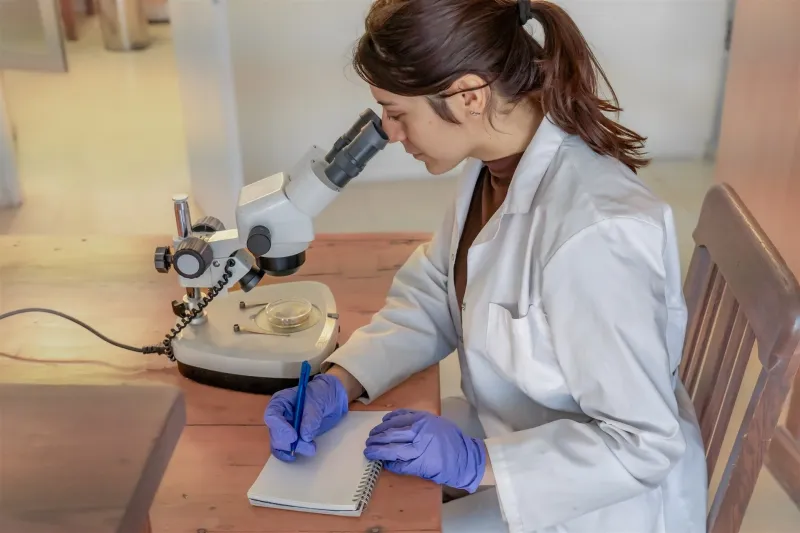
Marie Skłodowska-Curie Doctoral Networks fund PhD positions run jointly by universities, research centres and companies across Europe. Candidates of any nationality can apply, as long as they do not yet hold a doctorate and meet the mobility rule. There is no single deadline: each network recruits on its own schedule and advertises its vacancies on the EURAXESS portal.

Students from outside the EU usually come to Poland on a national study visa and later apply for a temporary residence permit for studies. Since 27 April 2026, that permit application must be filed electronically through the MOS portal while you are legally in Poland. This guide takes you through each step, from the admission letter to the residence card.

Full-time international students in Poland can usually work without a work permit, but since 1 July 2026 the exemption depends more closely on where you study. The university must be approved by the Minister of the Interior to admit foreigners, or be exempt from that requirement. Here is who can work, what changed and what to check before signing a contract.

The DAAD, Germany’s academic exchange service, funds master’s studies, research stays and doctoral projects in Germany. Deadlines depend on the applicant’s country: for applicants from Poland, master’s scholarships for winter semester 2027/28, research grants and bi-nationally supervised doctorates share a deadline of 16 November 2026.

The European Commission adopted the Erasmus+ work programme for 2027 on 15 October 2026, but the 2027 Programme Guide had not been published by 6 November 2026. For students, the main rules remain clear: you apply through your own university, you can study or train abroad for 2 to 12 months per study cycle, and you pay no tuition at the host institution.

Poland’s National Agency for Academic Exchange (NAWA) funds master’s studies for international students through programmes such as Banach and Poland My First Choice. The 2026 calls closed in May 2026 and, as of 6 November 2026, the calls for the 2027/2028 intake had not been published. Here is what the programmes offered and how to get ready for the next round.
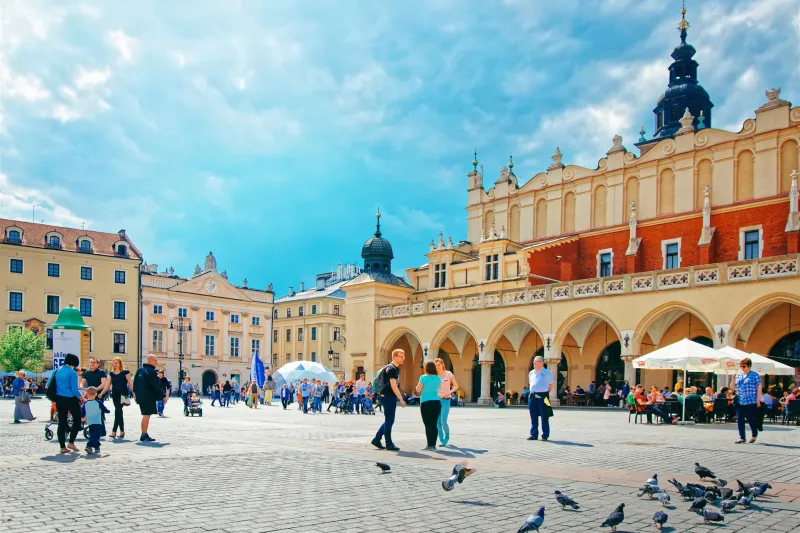
Admissions for the 2027/2028 academic year at Polish universities open in early 2027. The University of Warsaw will start its procedure no earlier than 2 February 2027, and Kozminski University lists 1 February 2027 as the start of admissions for its programmes. International candidates can use the coming months to check their documents, language certificates and visa plans.

 EN

 CS
 DE
 ES
 FR
 HU
 IT
 PL
 PT
 РУ
 SK
 TR
 УК
 AR
 中文